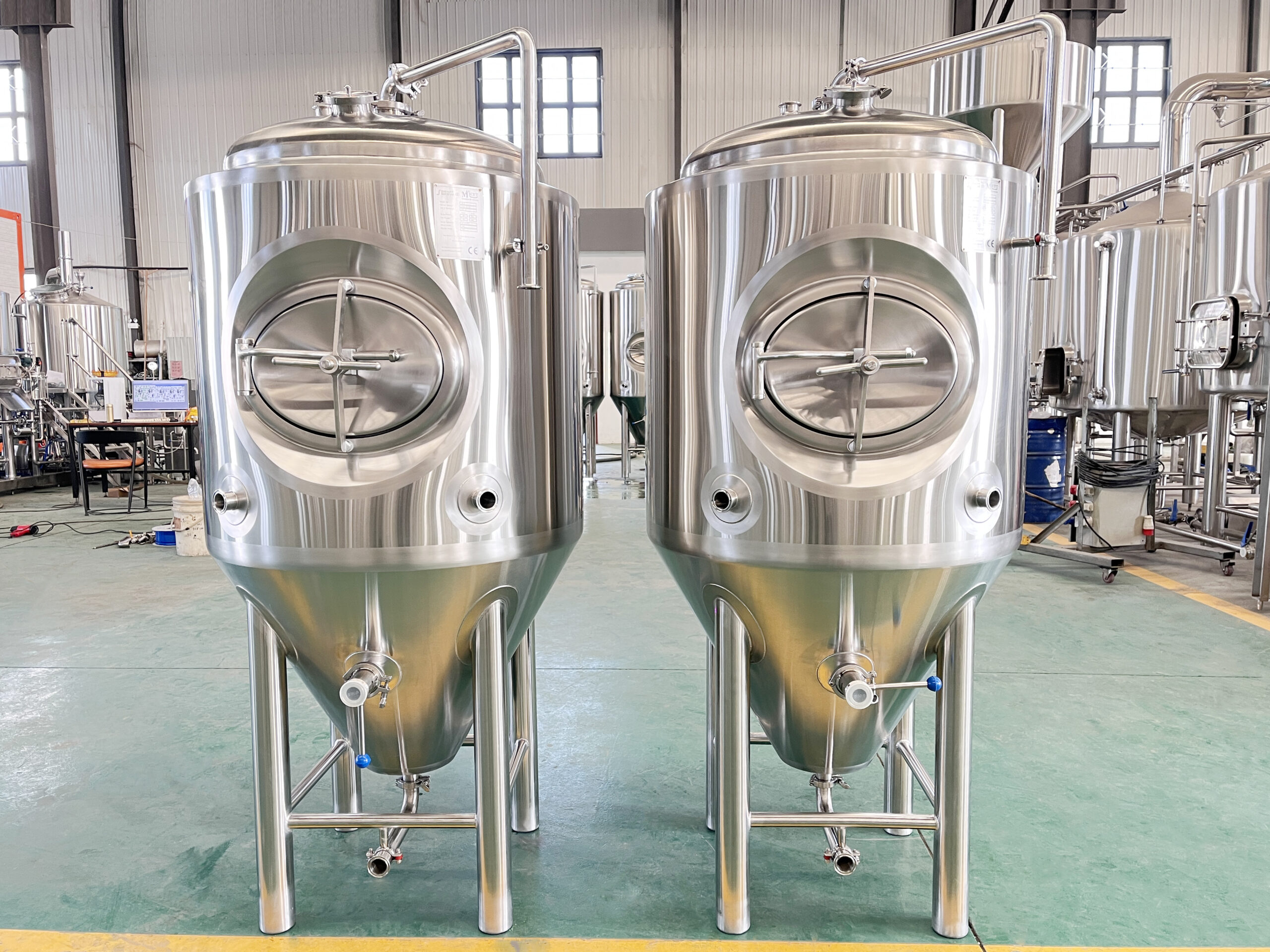
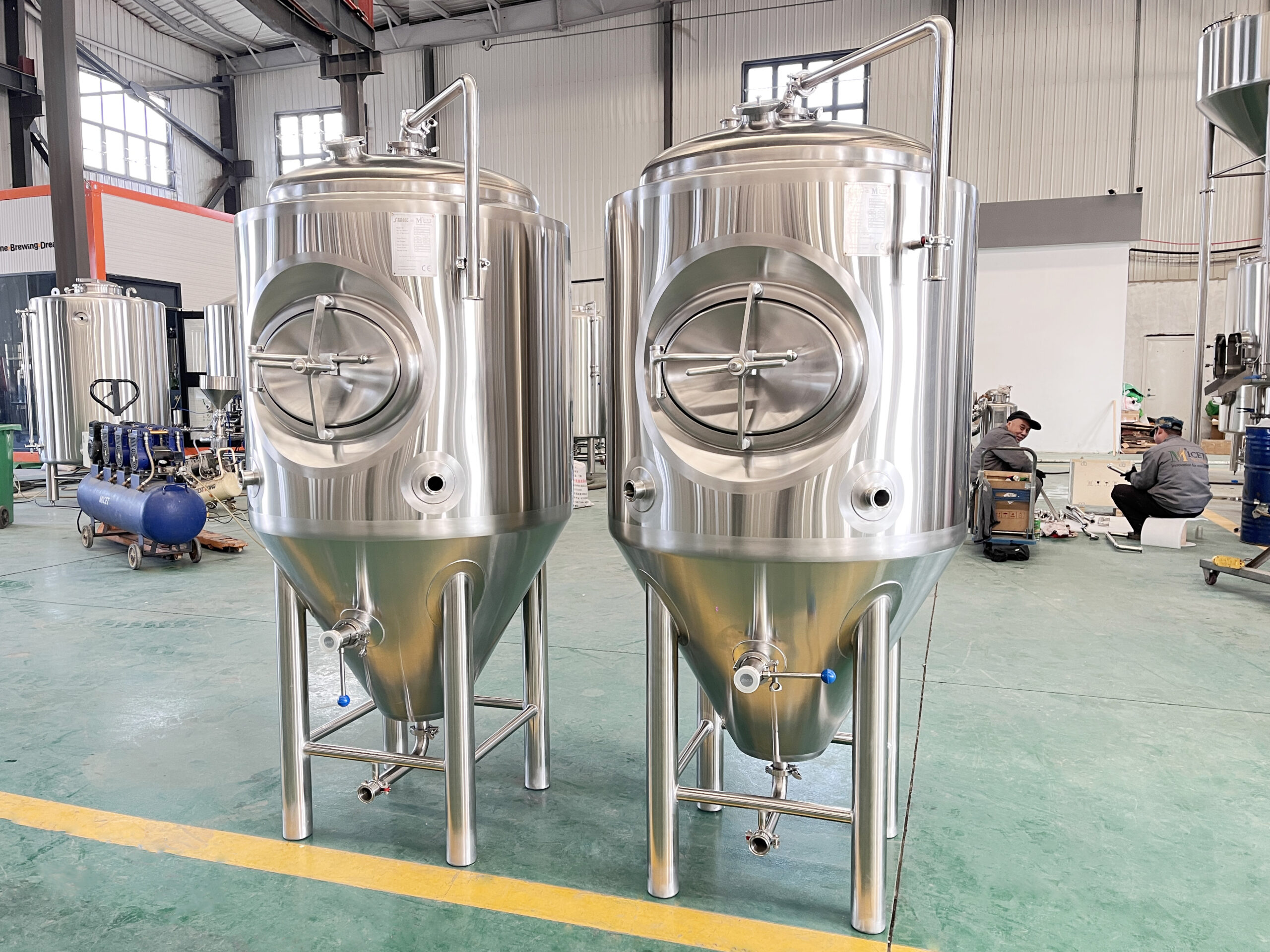
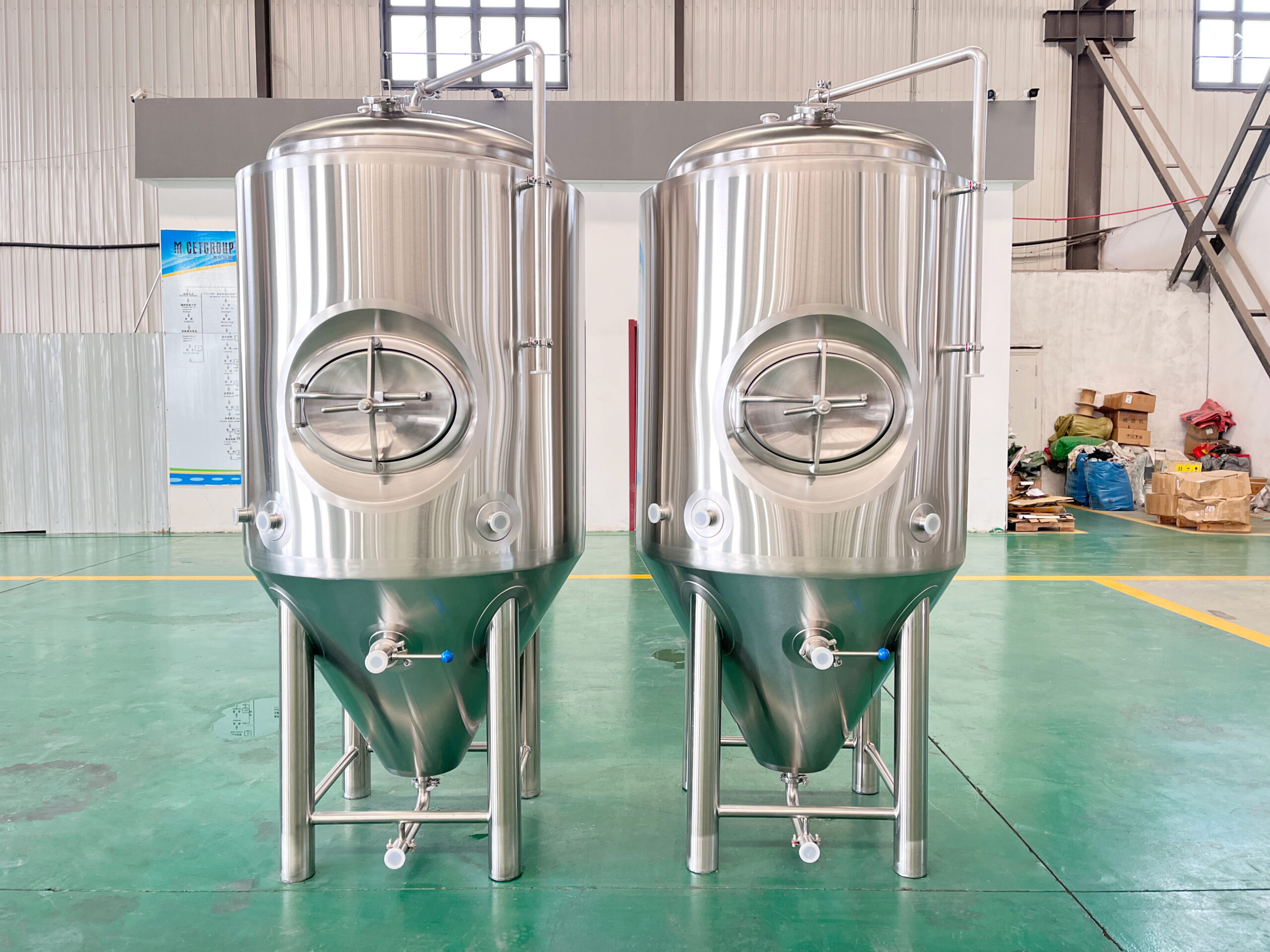
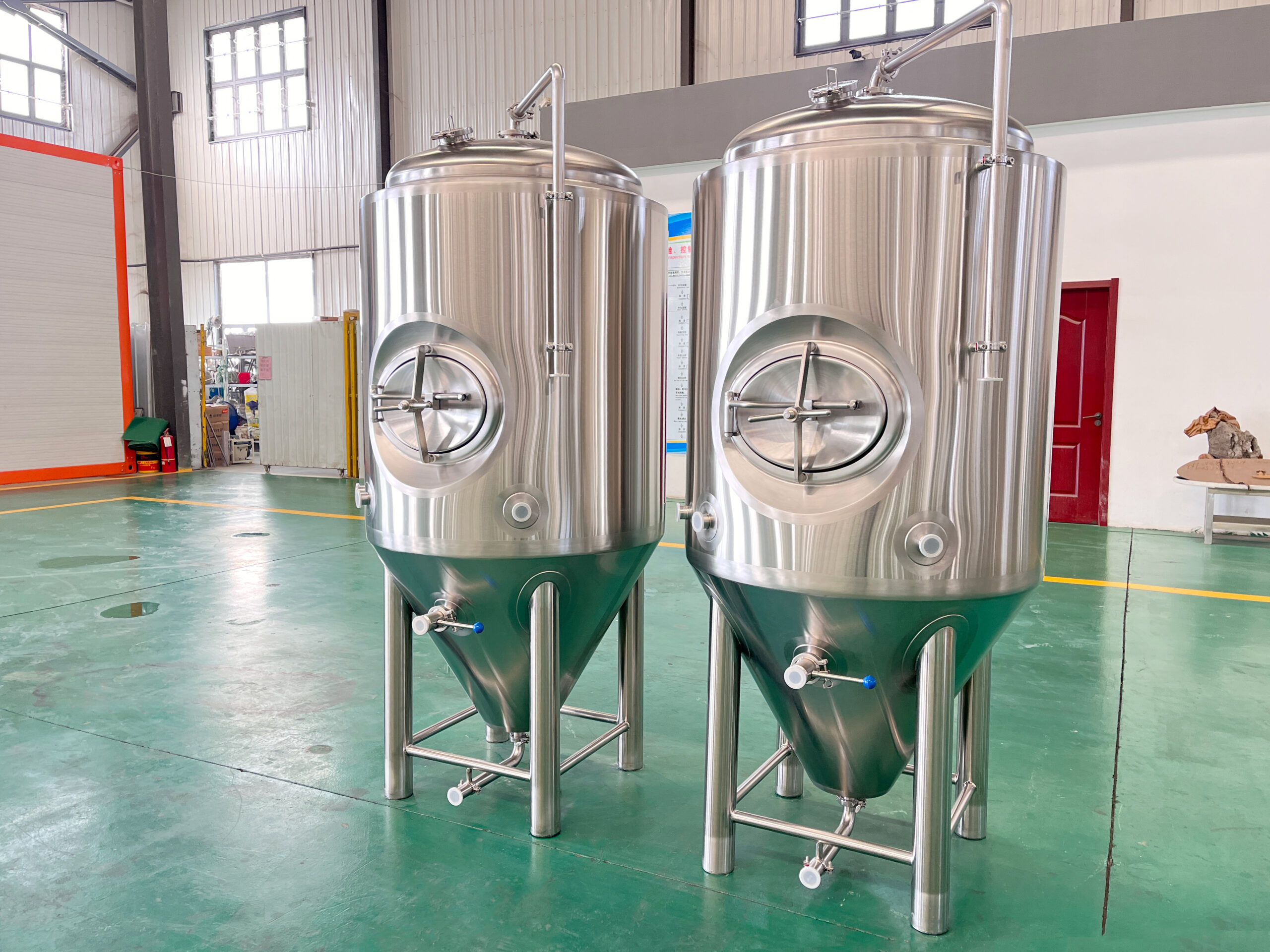
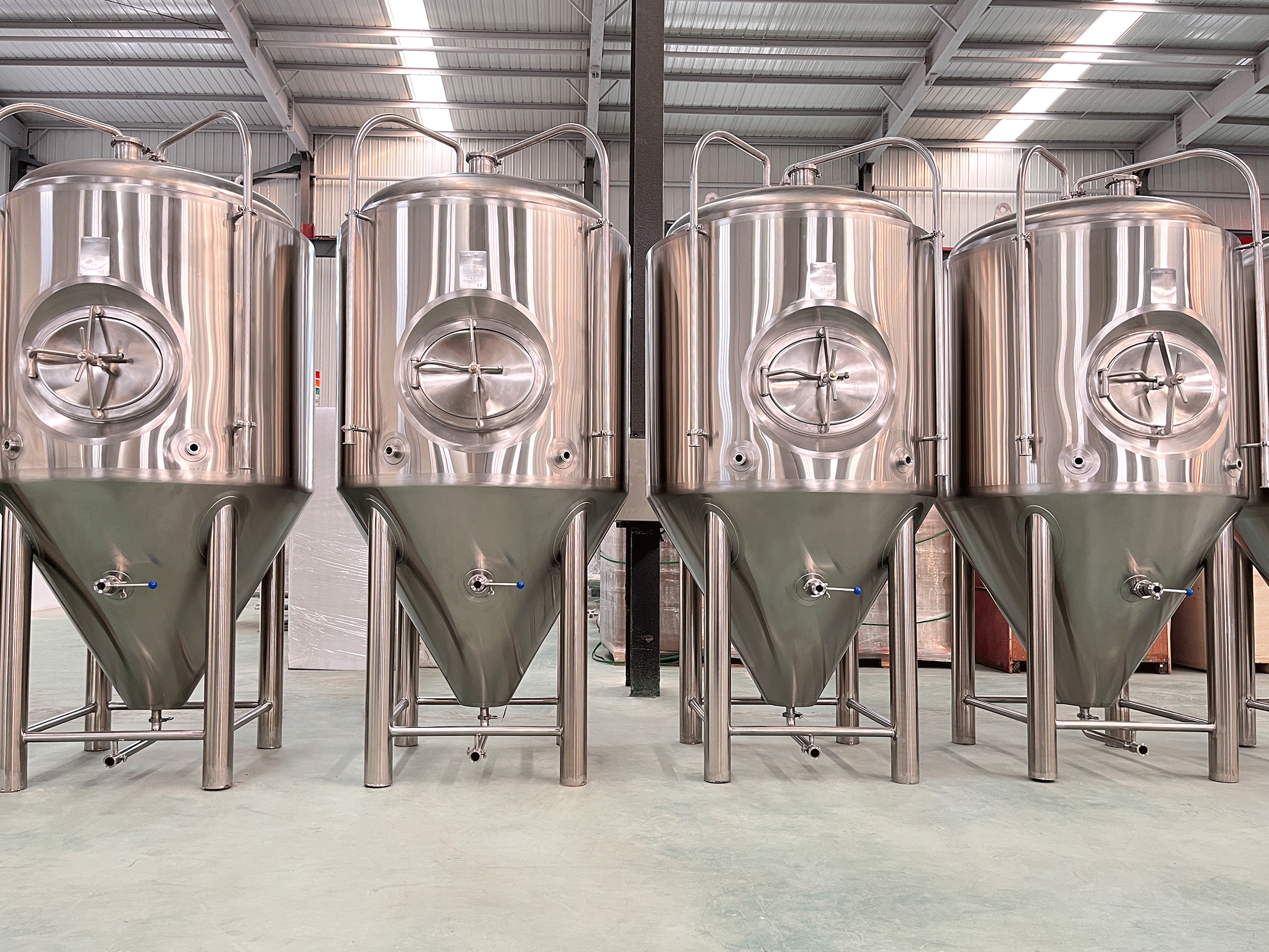
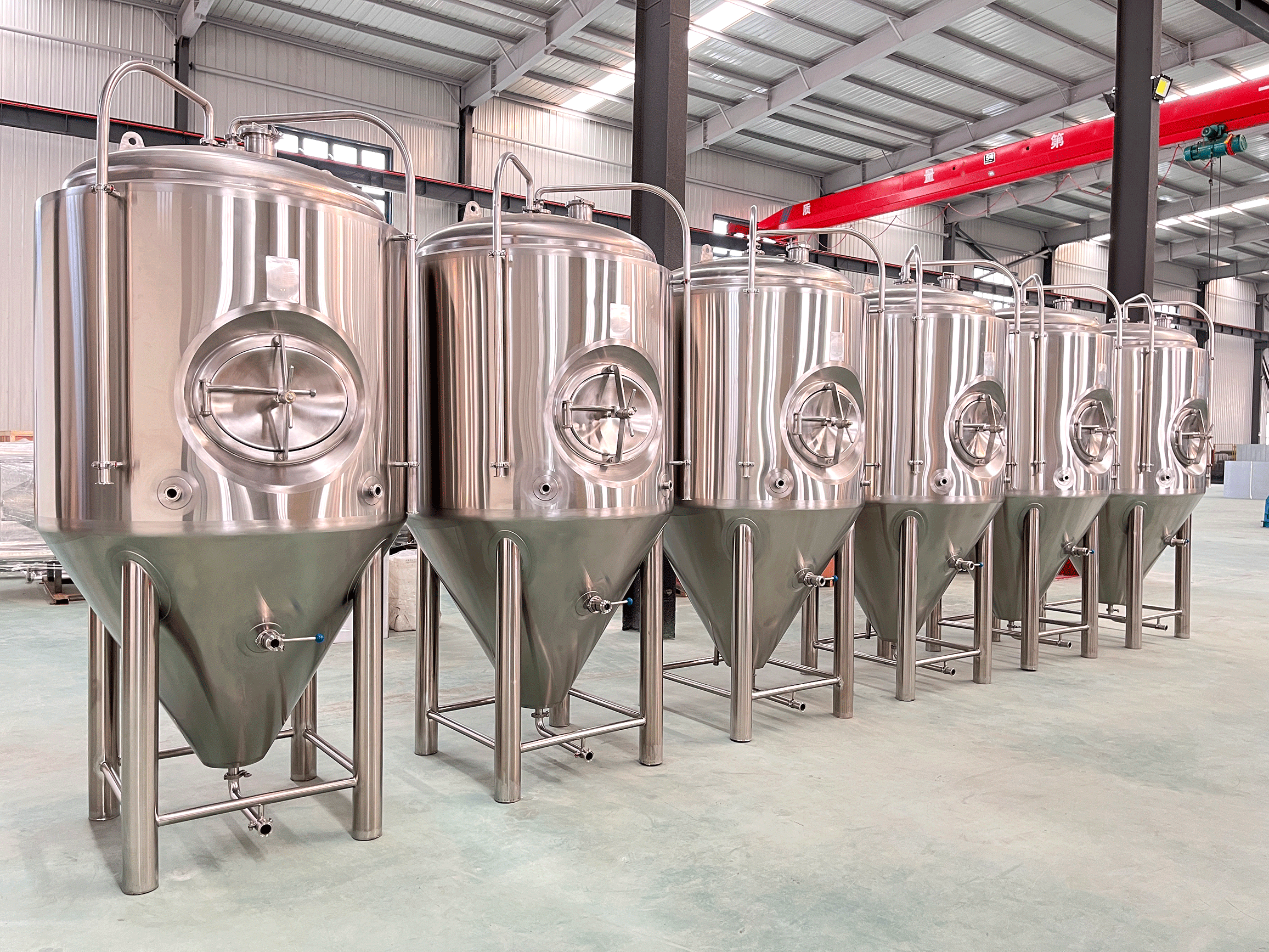
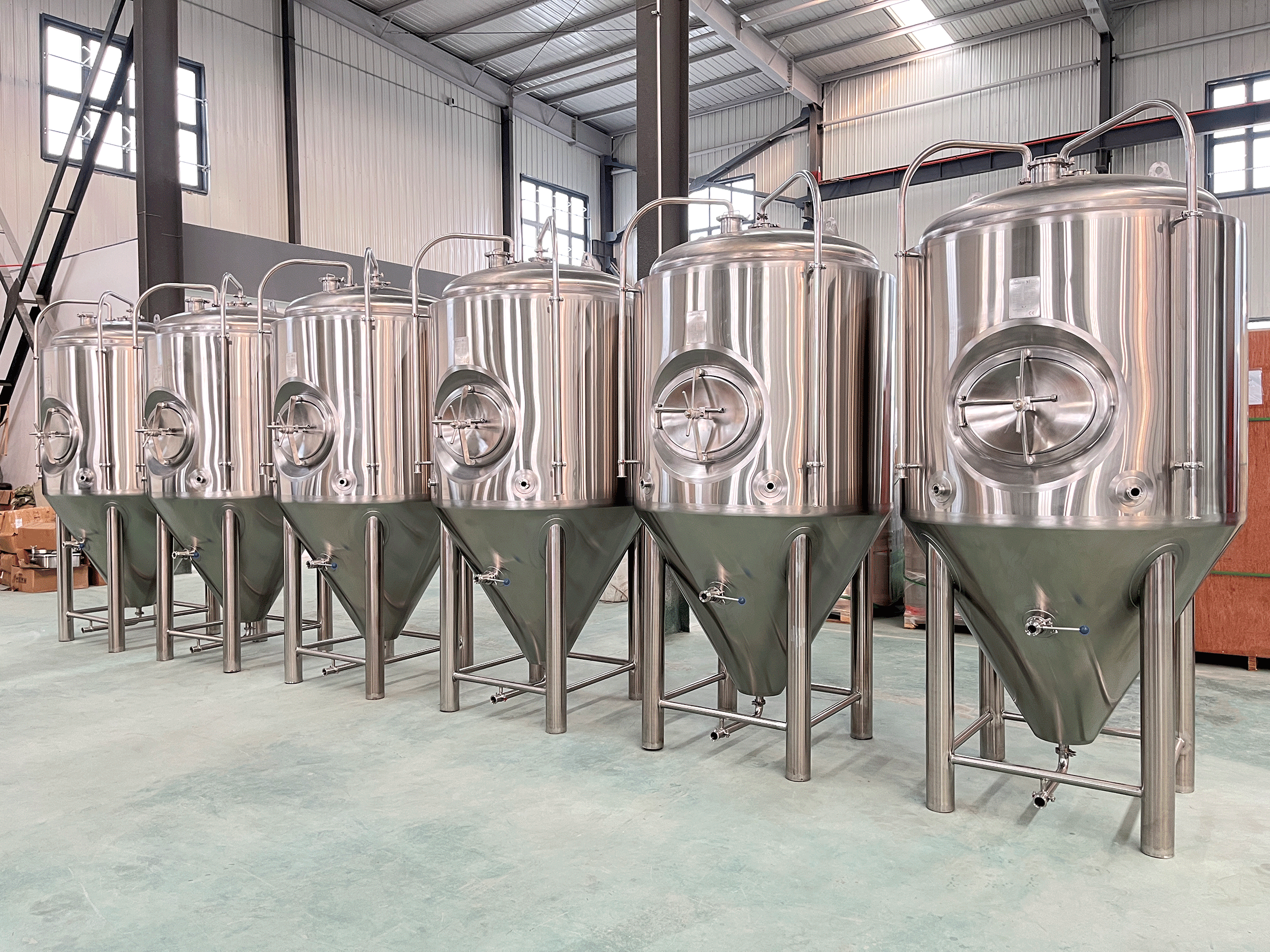
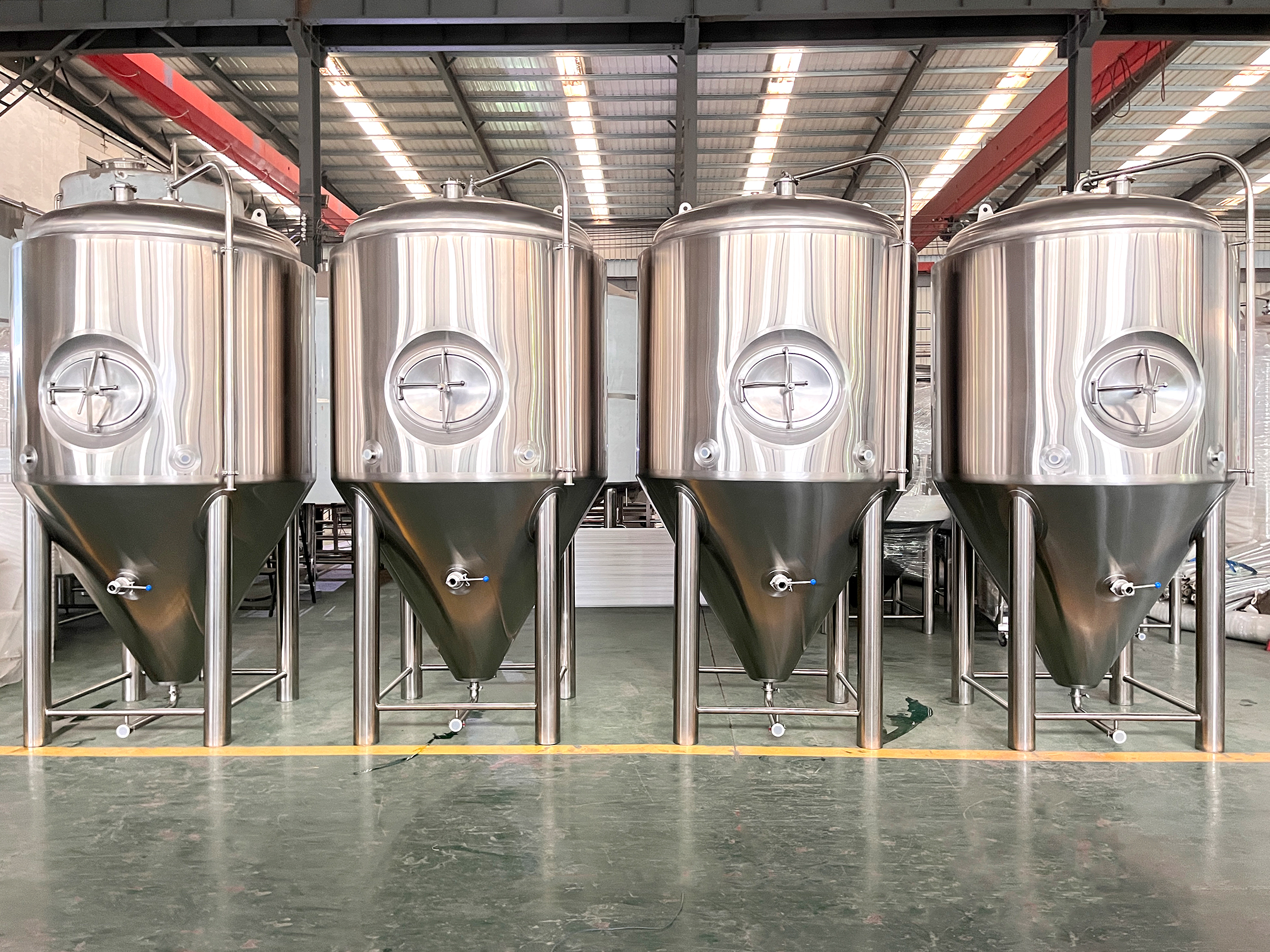
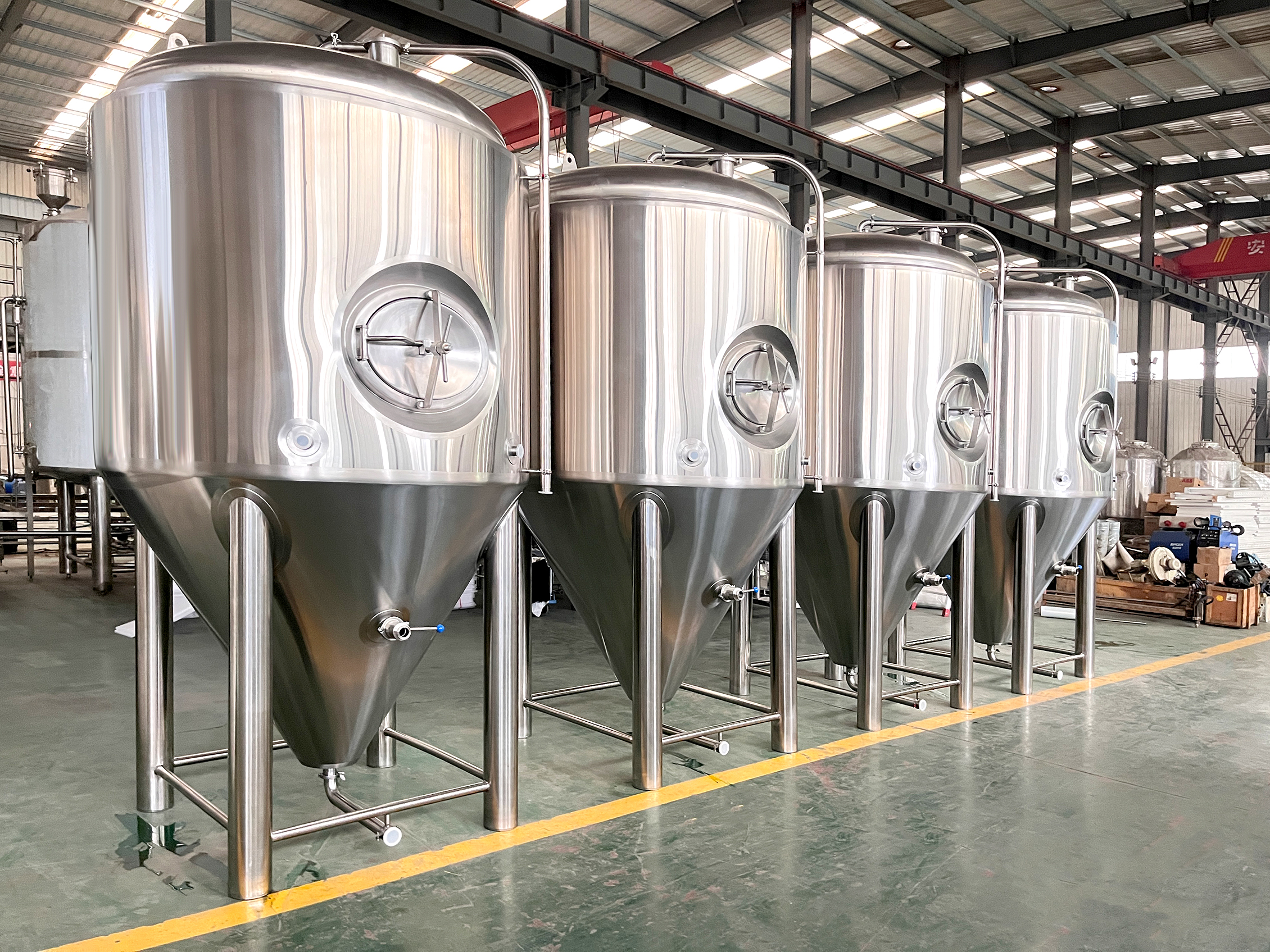
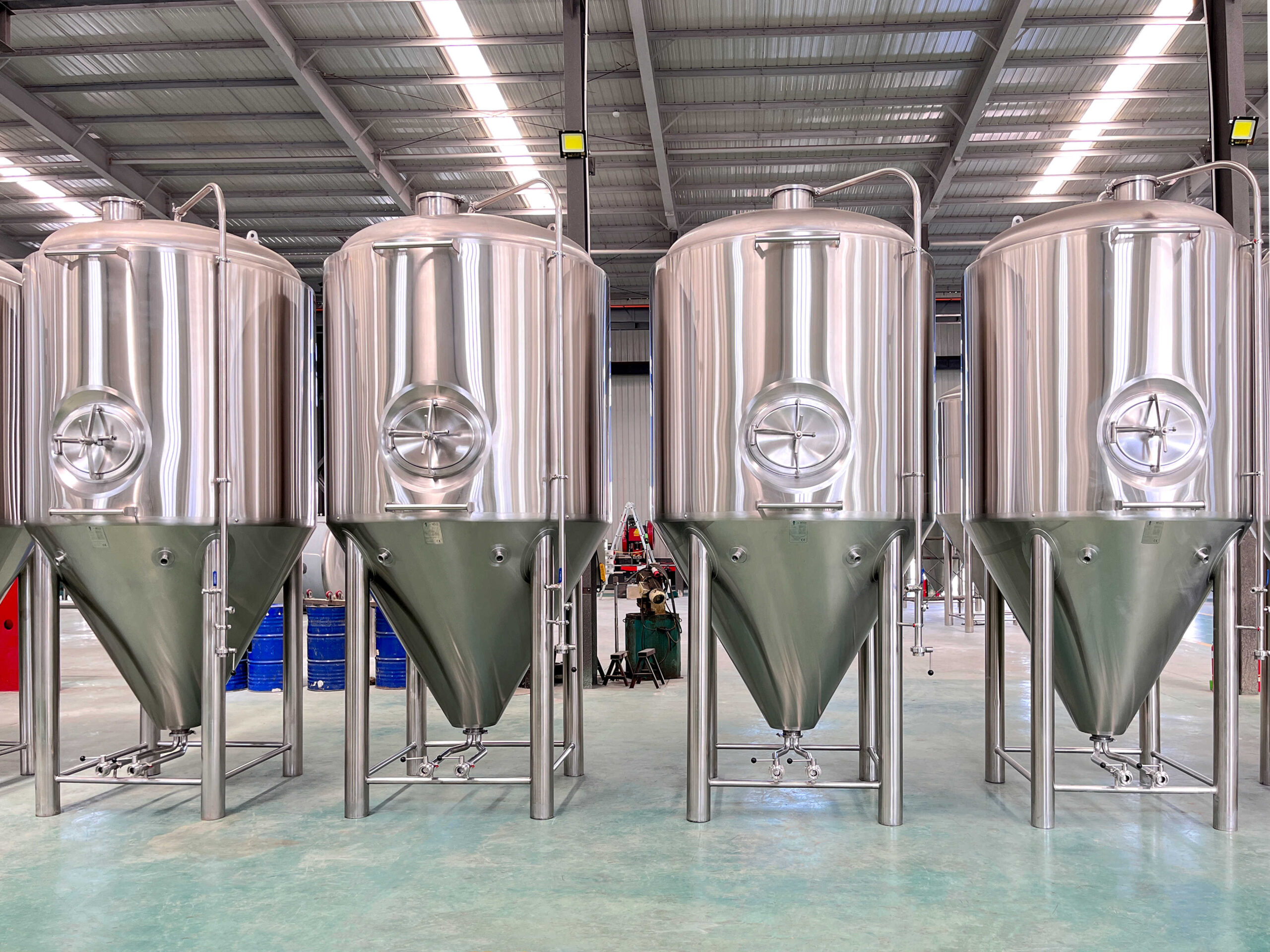
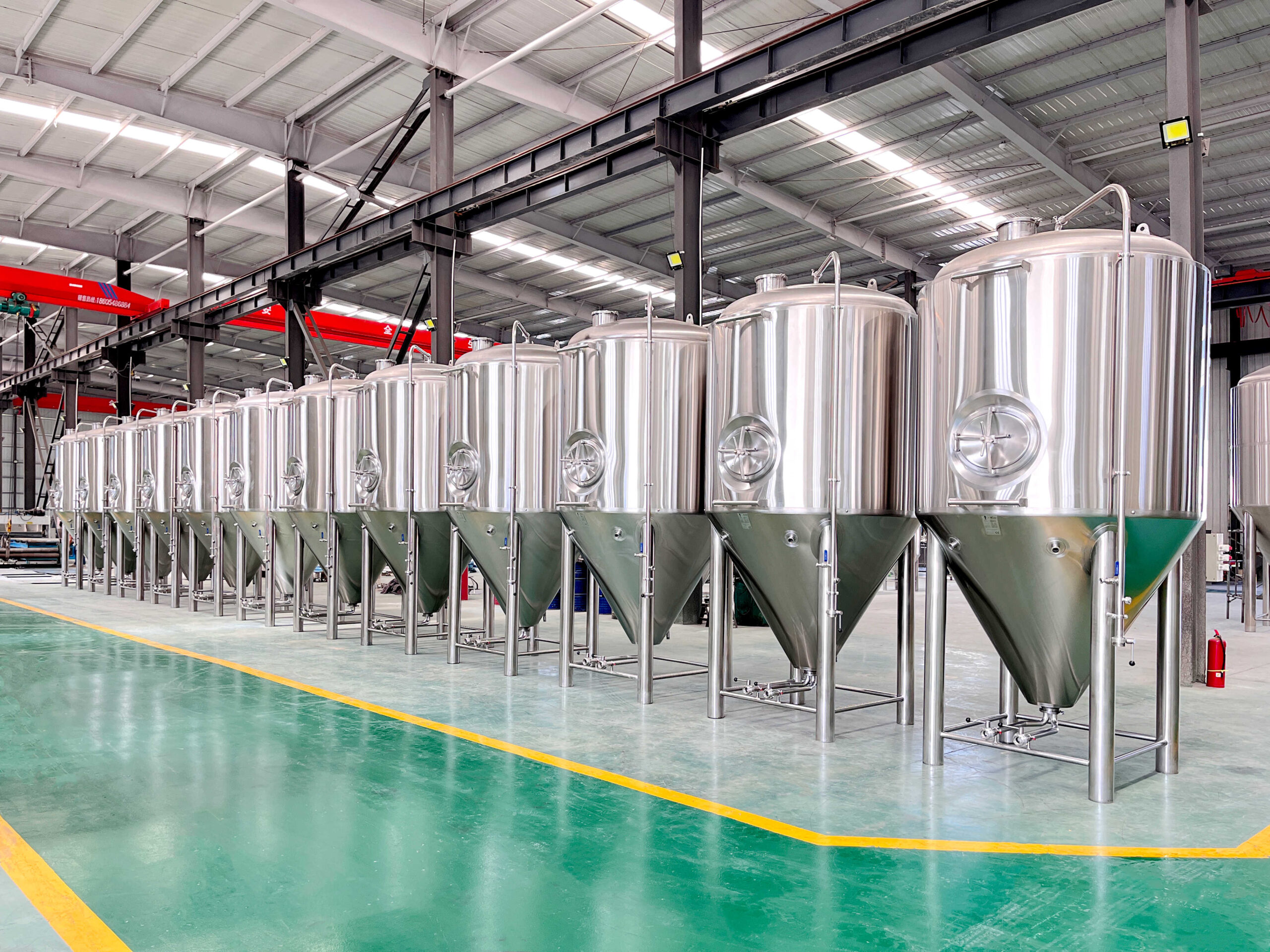
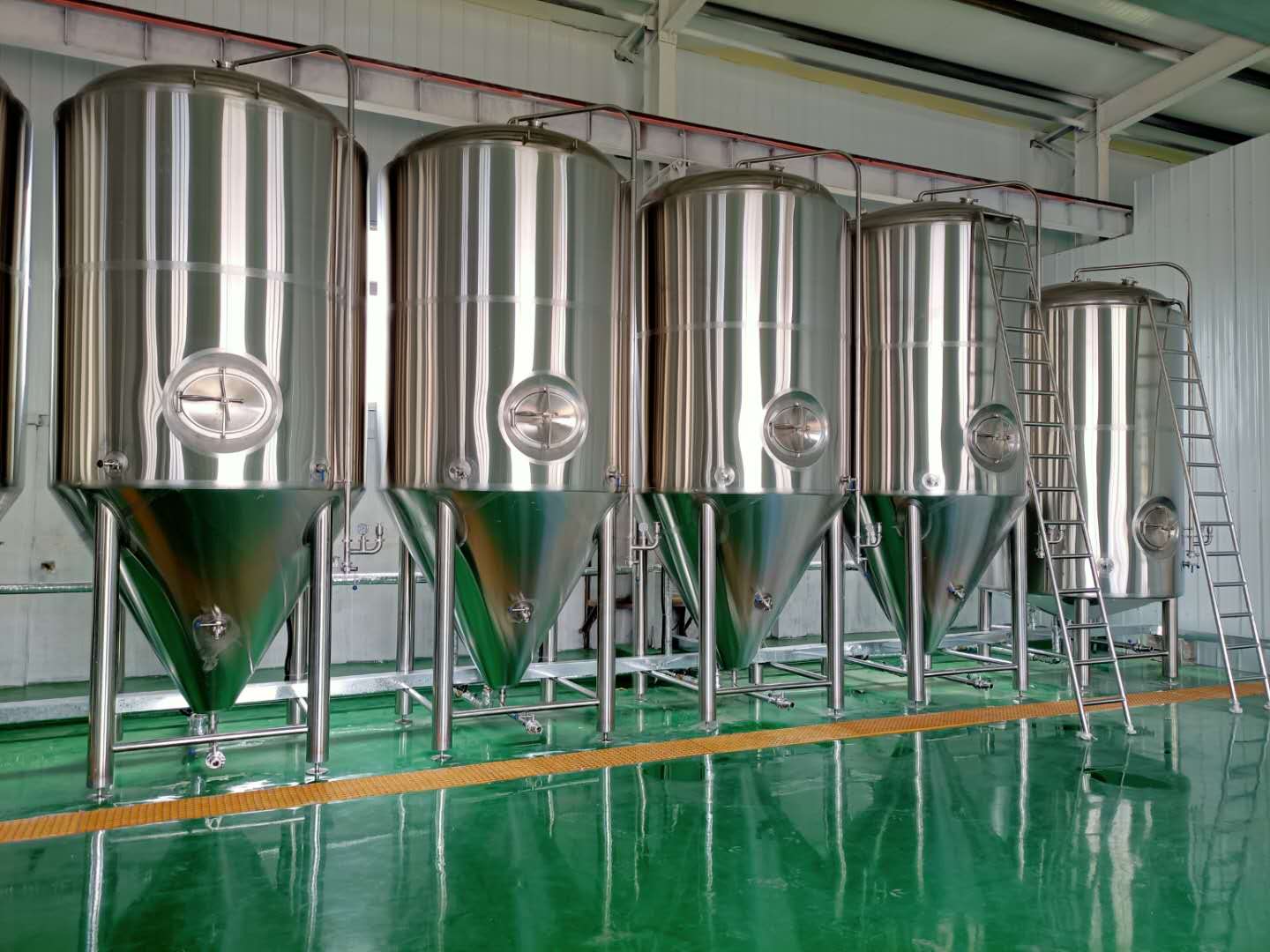
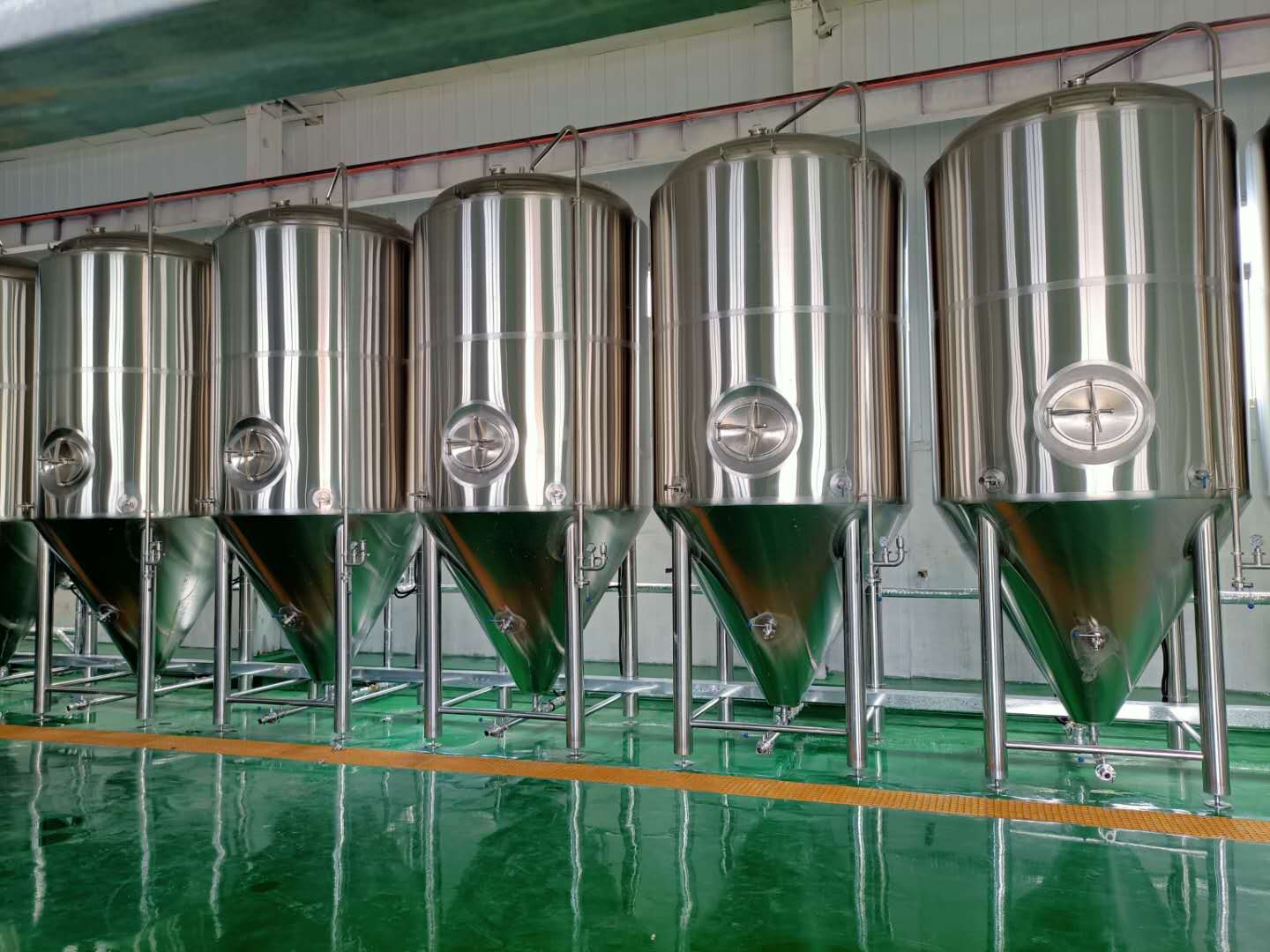
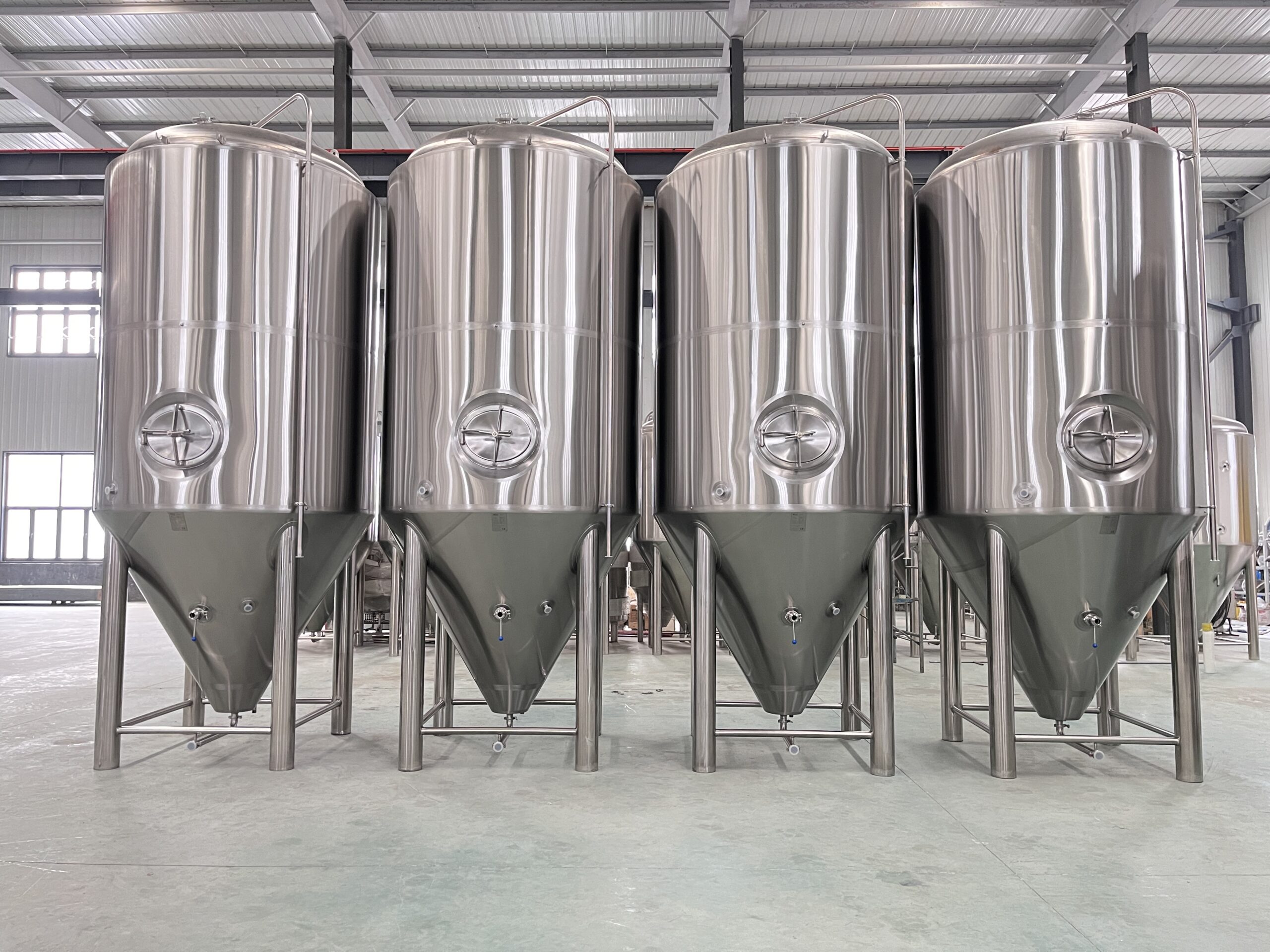
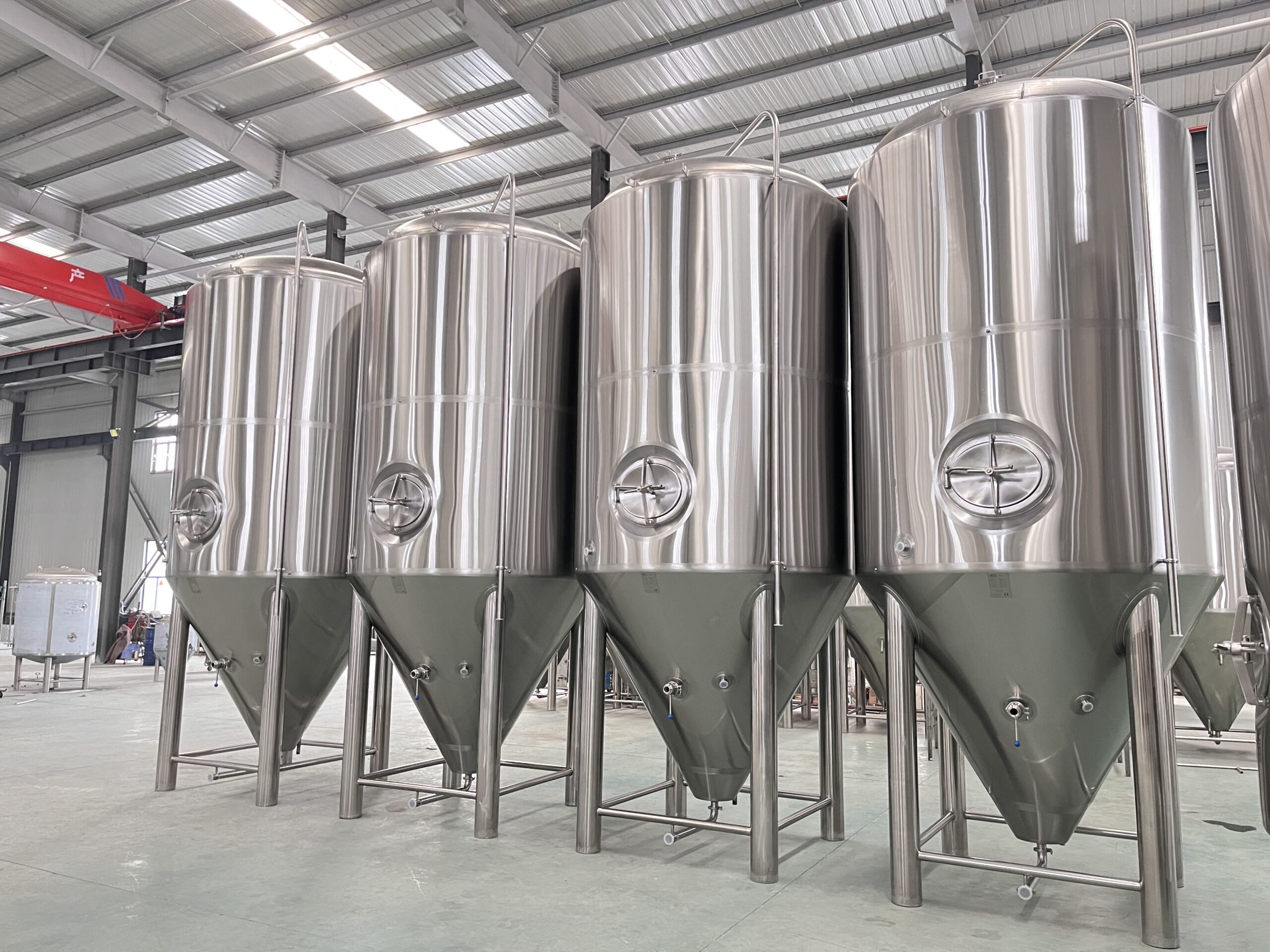
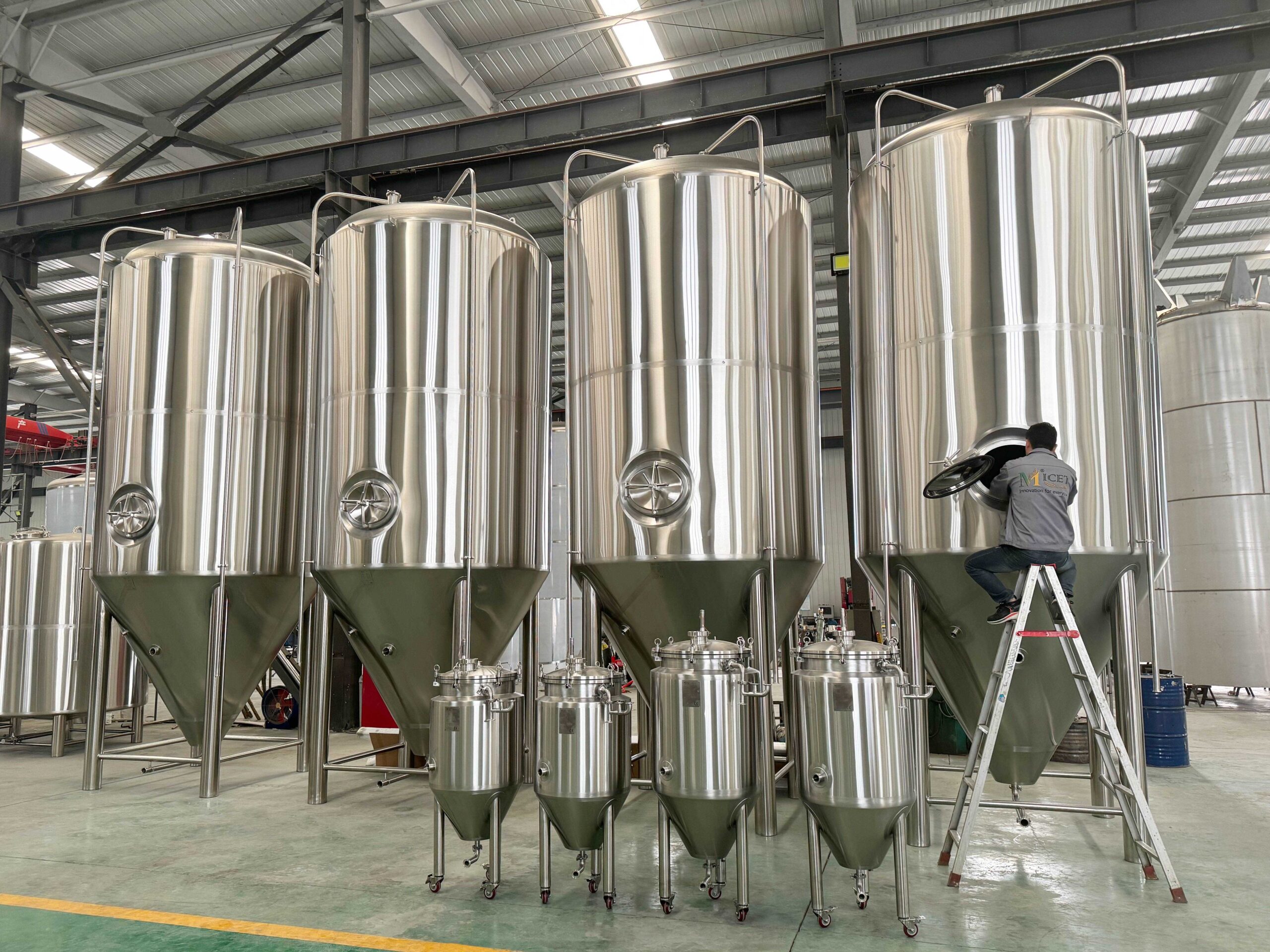
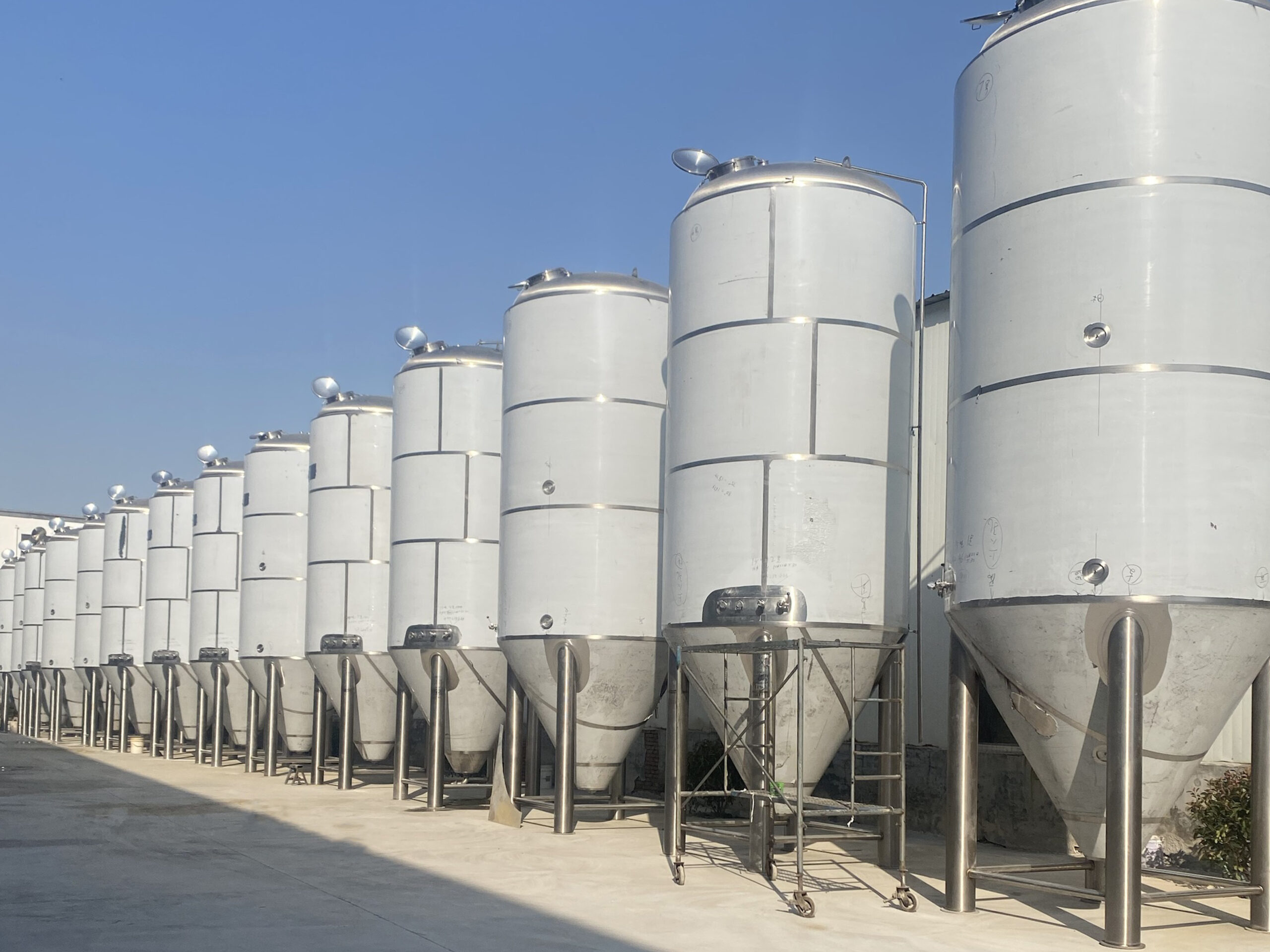
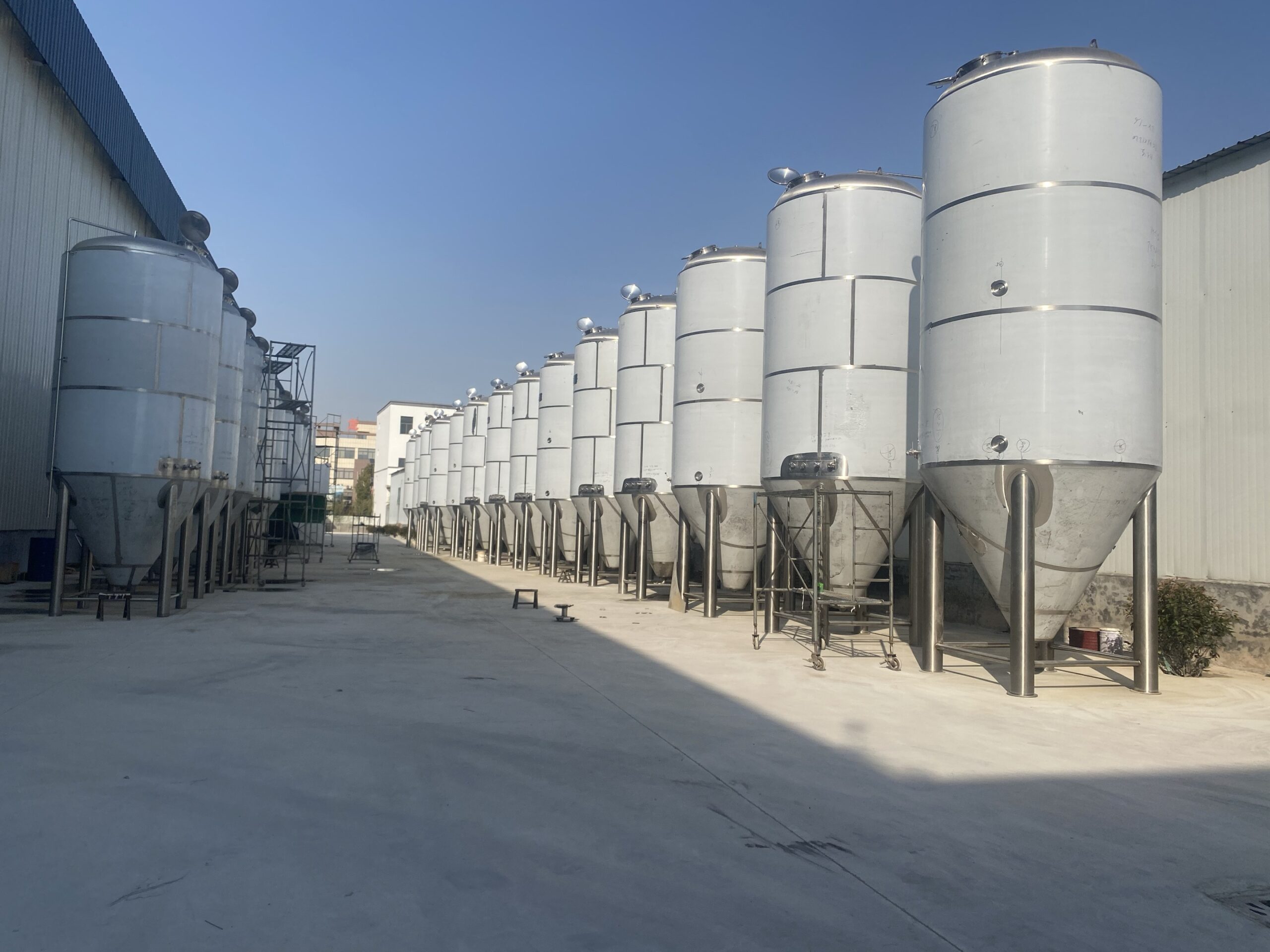
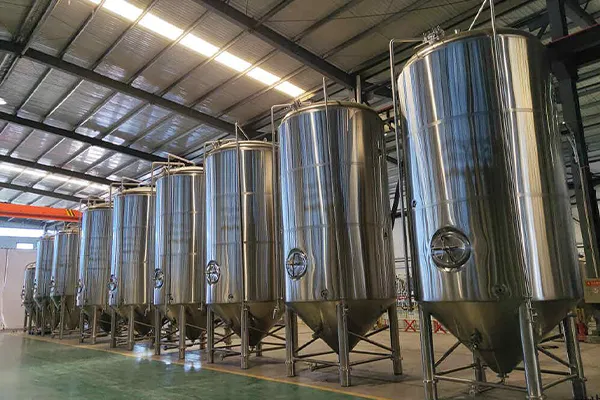
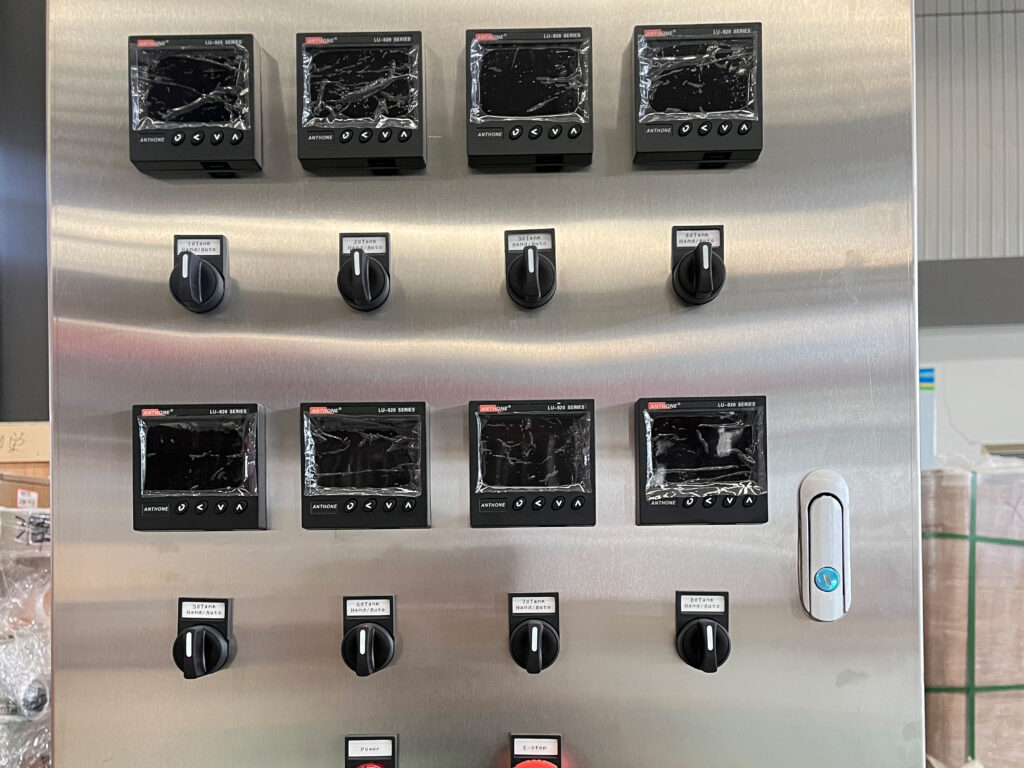
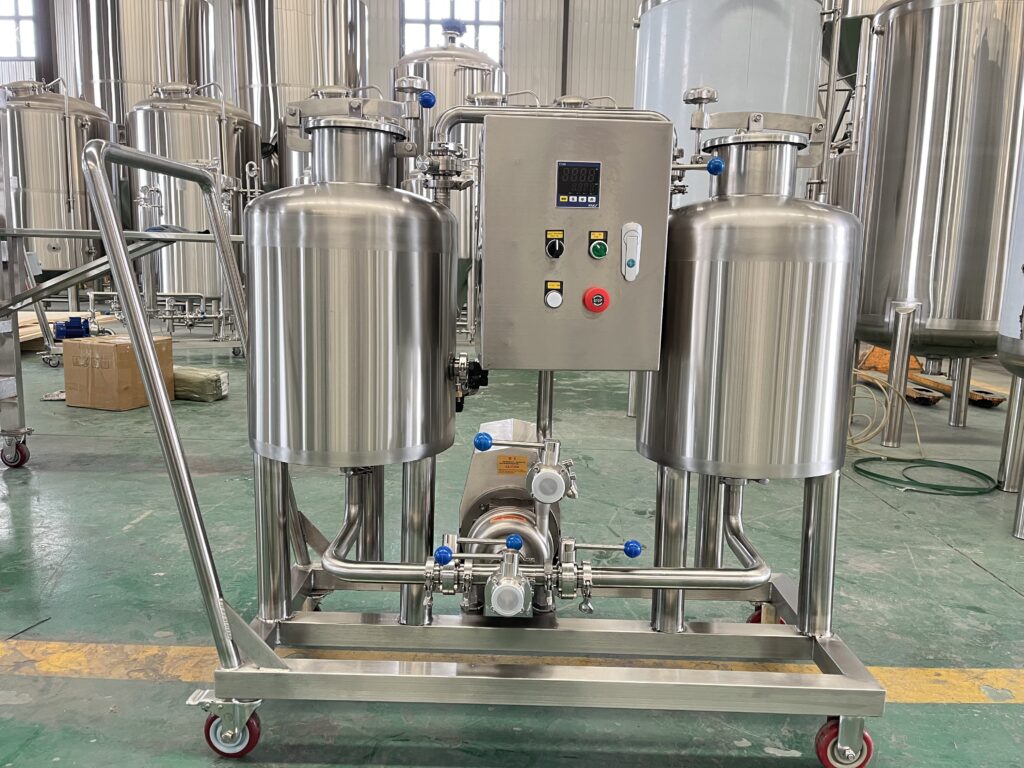
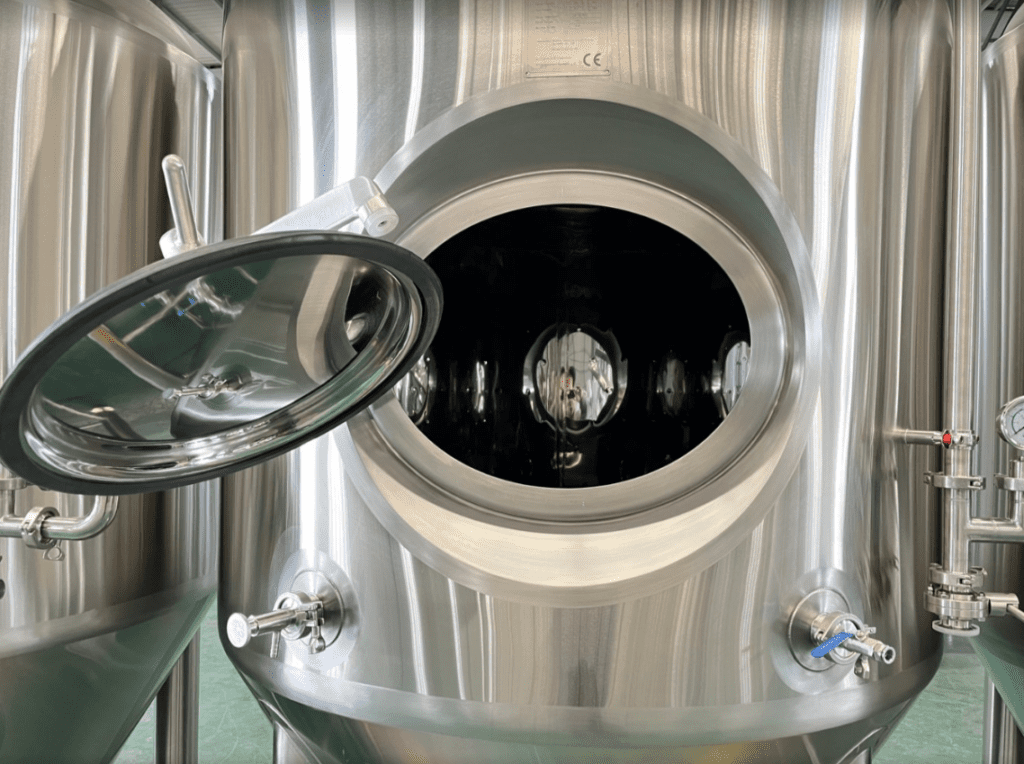
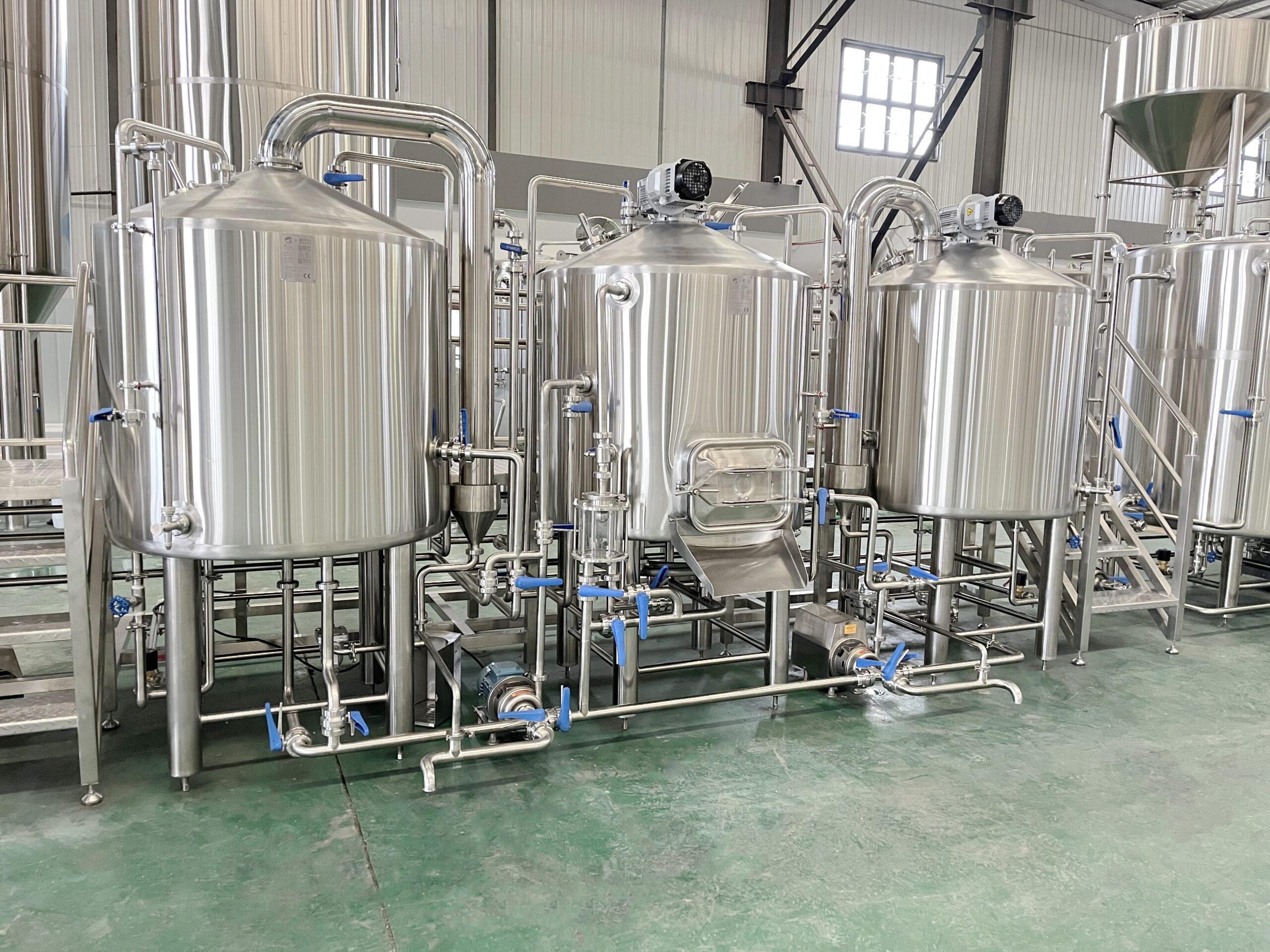
Our Fermentation Cellar Projects & On-Site Photos show used fermentation tanks installed in real breweries and beverage plants, so you can see actual layouts, tank rows and piping, and imagine how similar setups can work in your own project.

Margins get tight fast when a brewery buys the wrong system. A low price can hide missing parts, bad welds, weak controls, or an expensive restart. The smarter path is simple: match the right equipment to your process, verify condition, and buy with a plan.
Used brewery equipment can be an excellent option when the system is hygienic, pressure-appropriate, complete enough for your process, and supported by a realistic installation and service plan. It is often best for brewhouses, tanks, utilities, and some packaging assets, but not always for automation-heavy lines or unknown-pressure vessels.
The used market is active because the U.S. brewing sector remains large and dynamic. The Brewers Association reported 9,736 small and independent breweries in operation in 2024, with 335 openings and 399 closings, which helps explain why used inventory keeps moving through the market.
In 2024, craft brewers produced 23.1 million barrels and craft’s U.S. beer market share by volume was 13.3%. That combination of scale and slower growth tends to create more resale, consolidation, and upgrade activity.
If a process tank will run above 15 psi, you should treat pressure-code review as non-negotiable. The Brewers Association and OSHA both point to special safety requirements for pressure vessels in that range.
For beer, kombucha, wine, and other food-grade liquids, cleanability matters as much as purchase cost. FDA cGMP and FSMA frameworks emphasize hygienic design, sanitary operations, and preventive controls.
A hybrid model is often best: buy used core vessels and utilities, then buy new controls, seals, some valves, sensors, and selected packaging modules.
My professional rule is this: never buy used brewing equipment because it is cheap; buy it because it is the right process fit, with manageable risk and clear recommissioning steps.
Why is used brewery equipment for sale getting more attention?
When does used brewery equipment make sense, and when is new better?
What equipment should you buy used first?
What should you inspect in a brewhouse, tank, filter, filler, and chiller?
How do you compare price, total cost, and the quality of a seller quote?
Which standards matter for stainless steel, pressure, and hygiene?
What system size fits a startup, regional producer, or co-packer?
Where should a serious buyer look: marketplace, auction, direct seller, or turnkey provider?
Can used systems work for kombucha, wine, spirits, cider, and cold brew coffee?
How do you reduce recommissioning risk in global projects?
The short answer is market pressure. In the U.S. and USA craft segment, demand has not disappeared, but growth has slowed. That changes buying behavior. More owners now prefer lower-capex expansion, partial retrofits, or a hybrid new-plus-used solution. At the same time, more assets return to the market after brewery closures, capacity changes, mergers, and project delays.
I see this every time I review a used brewhouse or packaging line. The strongest buyers are not chasing hype. They want an affordable way to start, expand, or replace capacity without freezing cash. For many craft breweries, that means a practical mix: a pre-owned mash kettle, used hot liquor tank, reconditioned fermenter, and new controls or a new CIP skid.
This is also why the used market is no longer just about beer brewing. Serious beverage producers now search for assets that can fit kombucha, cider, RTD, wine, spirits, coffee, and broader craft beverage production. Portland Kettle Works says its used division supports resale and recommissioning across Beer, coffee, distilling, kombucha, soda, CBD, and Wine, often after expansions, closures, acquisitions, repossessions, and lockouts.
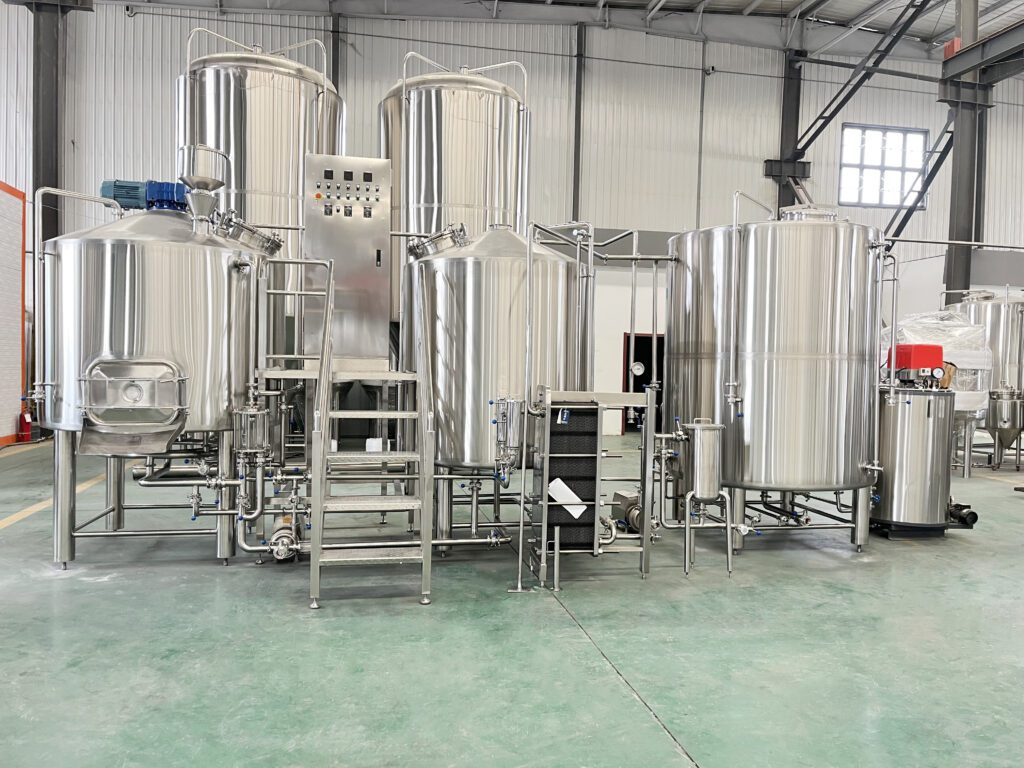
In my experience, used equipment makes the most sense when the process is stable, the geometry is easy to inspect, and the missing-value risk is low. That usually includes utility vessels, many cellar tanks, some brewhouses, mill and auger systems, glycol skids, and basic keg handling equipment. It can also work for selected beer brewing equipment in mature process layouts.
New equipment is usually better when your product is sensitive, your control logic is complex, or your packaging spec is strict. A used 4-head filler may look attractive on a sale listing, but if spares are unavailable, sensors are obsolete, or dissolved oxygen targets are tight, the total cost can quickly exceed a new module. The same caution applies to older canning lines, some tunnel pasteurizers, and advanced inline filter or flash-pasteurization setups.
Option Best For Main Advantage Main Risk
Used only Tight budgets, simple process, proven layout Lowest upfront price Hidden repair and integration cost
New only New flagship plants, strict packaging KPIs Warranty, consistency, documentation Higher capex
Hybrid Most serious B2B projects Best balance of cost and control Requires good engineering review
For most projects, I recommend the hybrid route. Buy used heavy stainless steel assets. Buy new wear parts, seals, some controls, critical sensors, and selected packaging components. That approach is usually more efficient than buying everything new or everything used.
When I prioritize used assets, I start with the pieces that are expensive to fabricate but straightforward to inspect. That list often includes a mash tun, lauter tun, wort kettle, whirlpool, hot liquor tank, cold liquor tank, cellar tank, and non-complex transfer skids. If the surfaces are sound and the documentation is credible, these assets can offer very strong value.
A used fermenter can also be a good buy, but only if you verify jacket condition, shell quality, insulation integrity, fittings, manways, PRV setup, and internal finish. The same goes for brite tanks, yeast tanks, and beer kegs handling equipment. A low sticker price does not mean low lifecycle cost.
Packaging is where I get more selective. I treat every used filler, depalletizer, rinser, labeler, and bottle or can line as a control-and-parts question first, not a steel question. If the line depends on discontinued PLC hardware, custom servo logic, or hard-to-source change parts, it may be a poor fit even if it looks clean.
Brewhouse vessels and utilities
Cellar tanks and some complete brewhouses
Glycol or utility chiller packages
Basic keg washers and transfer panels
Structural skids, platforms, and pipe racks
Some bulk handling and non-sensitive machinery
High-speed packaging
Advanced inline filter systems
Critical automation and recipe control
High-changeover package lines
Proprietary OEM-only subassemblies
This is the section buyers skip too often. I never review used brewery equipment from photos alone. I want drawings, nameplates, pressure data, weld photos, interior surface photos, utility requirements, installed options, and a parts list. If possible, I want to see the operation history and the reason for shutdown or closure.
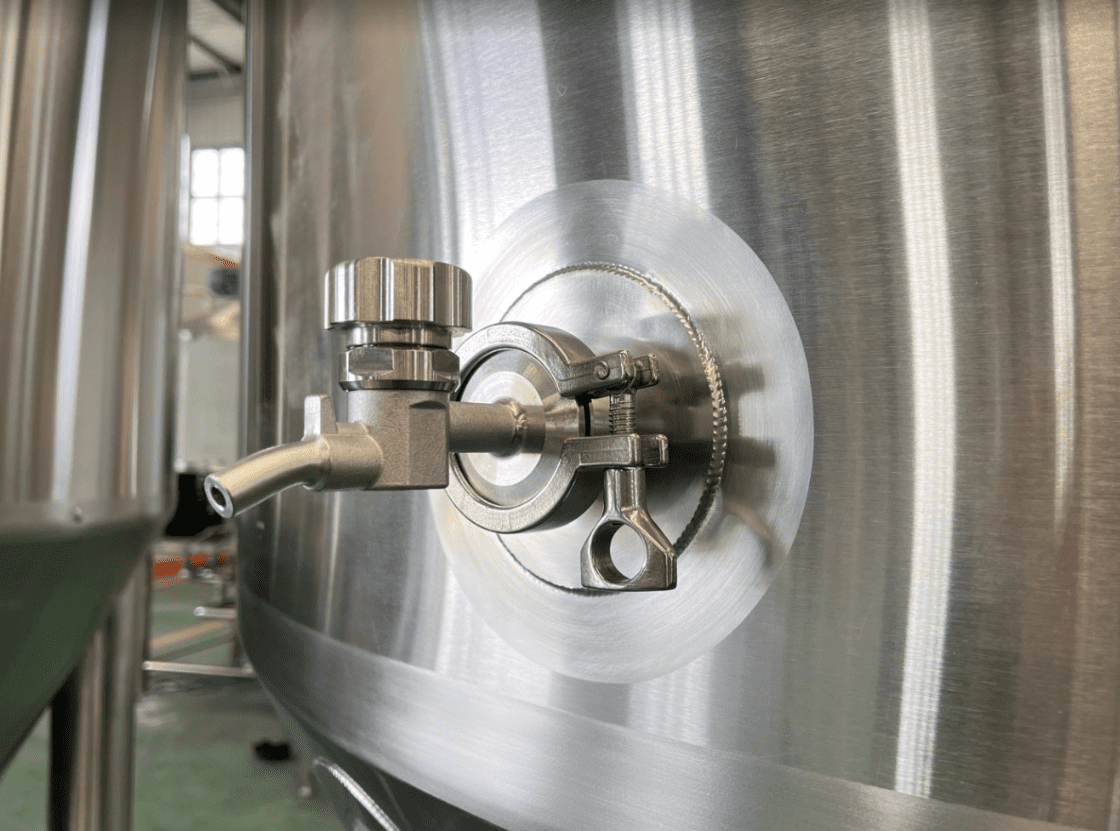
For a brewhouse, check false bottom condition, rake function if present, manway alignment, steam or electric heating integrity, pump history, platform damage, and CIP spray coverage. For each tank, inspect shell dents, jacket zones, insulation wet spots, PRV fittings, sample valves, thermowells, and the interior finish. A used filter needs media compatibility review, housing inspection, and a clear sanitation history. A filler needs change parts, control logic backup, calibration review, and a dry test or wet test if available.
For a chiller, I focus on compressor hours, refrigerant status, control panel condition, pump health, heat-exchanger fouling, and whether the unit matches local electrical standards. For exported projects, freight, local utility voltage, and spare-parts supply matter just as much as nameplate tons.
Verify serial numbers and pressure ratings
Confirm original manufacture year and major repairs
Review welds, manways, nozzles, jackets, and insulation
Check valves, gaskets, seals, and every critical valve seat
Confirm CIP path, chemical compatibility, and drainability
Review automation files, HMI backups, and I/O list
Confirm spare parts, manuals, and commissioning support
Ask what is excluded from the sale
I also tell clients to look beyond steel. Missing clamps, sensors, cables, sample ports, a VFD, or a small skid-mounted pump package can delay startup far more than a visible dent.
A real buying decision is never just about list price. It is about total landed cost, recommissioning cost, local compliance, and startup speed. I ask sellers for a detailed quote that separates asset cost, loading, crating, decommissioning, freight dimensions, missing parts, cleaning status, and whether any refurb work is included.
This matters because many listings promise unbeatable prices, but the math changes once you add freight, tax, local fabrication, controls upgrade, site piping, electrical work, and delayed startup. A cheap used package line can become expensive if you must rebuild guarding, replace actuators, and rewrite PLC logic.
I use this simple comparison model:
| Cost Item | Used Asset | New Asset | What Buyers Miss |
|---|---|---|---|
| Purchase price | Lower | Higher | Missing components |
| Freight & rigging | Variable | Variable | Oversize and access limits |
| Refurbishment | Often moderate/high | Low | Seal, pump, control replacement |
| Startup time | Can be fast or slow | Usually predictable | Hidden schedule risk |
| Warranty | Limited | Stronger | Real service response matters |
My advice: ask for three numbers, not one. Ask for price, restart cost, and full project cost. That is how professional buying and selling decisions stay grounded.
For food and drink plants, sanitary design is not optional. FDA says cGMP covers plant and equipment design, sanitary operations, facility sanitation, and production/process controls. FSMA preventive controls rules also require covered food facilities to maintain a food safety plan based on hazard analysis and risk-based controls.
For highly hygienic applications, ASME BPE is an important reference. It covers materials, design, fabrication, inspection, testing, and certification for fluid processing systems with higher hygienic requirements. I do not tell every brewery to build to pharmaceutical standards, but I do use BPE thinking when the product is sensitive, the cleanability risk is high, or the system may later serve kombucha, low-acid beverage products, or specialty fermentation.
Pressure is a separate issue. The Brewers Association notes that an ASME-rated brewing process tank is relevant where working pressure exceeds 15 psi, and OSHA warns that cracked or damaged pressure vessels can leak or rupture. If a cellar tank, bright tank, or carbonation vessel will operate above that threshold, the pressure-code review must happen before purchase, not after.
One more point: hygiene is not just a vessel issue. FDA’s sanitary transportation rule says vehicles and transportation equipment should be suitable, adequately cleanable, and able to maintain safe conditions when required. That matters when you relocate used assets internationally or move product-contact items between plants.
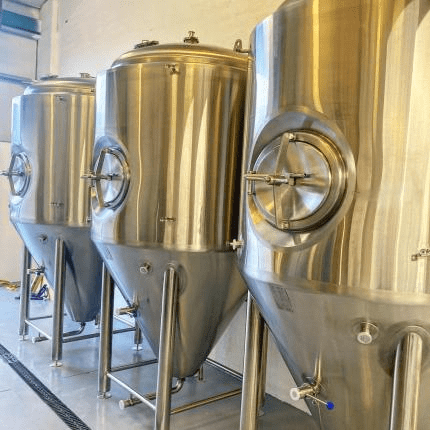
The right size depends on more than desired output. It depends on SKU count, cellar days, packaging format, labor model, and whether you will brew for your own brand or for contract customers. A startup may do very well with a modest brewhouse and extra fermentation. A regional producer may need a more aggressive cellar-to-brewhouse ratio and better packaging flow.
In real projects, I often see early buyers focus on the brewhouse and underestimate fermentation and packaging. A 15bbl brewhouse with smart cellar balance can outperform a poorly planned larger system. A 20bbl plant can also be the wrong answer if the seller does not include enough glycol, control capacity, or floor-space logic per batch.
Startup craft brewery: buy enough brewhouse capacity to launch, then protect fermentation flexibility
Brewpub or restaurant chain: smaller brewhouses, stronger hot-side reliability, polished cellar presentation
Commercial producer: design around packaging, uptime, and SKU turnover
Co-packer: prioritize changeover, sanitation, CIP, and QA space
Distillery, cider, wine, or kombucha producer: validate material compatibility, CIP chemistry, gas handling, and temperature profile
For mixed portfolios, I prefer a modular approach. A used brewhouse plus new cellar controls is often a better turnkey answer than a single oversized used line with weak documentation.
Buyers now have more channels than ever. You can find assets through a direct seller, broker, auction, general marketplace, specialized beverage platform, or an engineering provider that buys, refurbishes, and recommissions systems. The channel matters because it changes risk.
Specialized channels usually understand what brewers actually need. Portland Kettle Works says its used division and Used-Brewing-Equipment.com handle appraisal, removal, refurbishment, transfer, sale, and recommissioning for beverage assets. That is valuable because the seller is not only listing steel; it is handling process context.
General industrial platforms can also matter. EquipNet describes itself as a major online venue for pre-owned manufacturing and packaging assets, and it also promotes surplus asset sales through direct sale and global auction channels. That makes it relevant when breweries buy from wider processing industries, not only from beer-specific sellers.
You may also see listings from top brands or known names such as GEA, Tiantai, Portland Kettle Works, or private integrators. My advice is simple: treat every platform as a lead source, not as proof of quality. The listing gets your attention. The engineering review earns the purchase.
Yes, but only when you respect process differences. A used brewery vessel may fit kombucha, wine, RTD, or cold brew coffee, but not automatically. Product acidity, dissolved gas, yeast or SCOBY behavior, temperature profile, oxygen exposure, and cleaning chemical compatibility all change the risk profile.
This is where a professional manufacturer or project engineer adds value. I work with clients who are not only brewers. They include distilleries, cider houses, wineries, coffee producers, restaurant groups, and global beverage producers. The right answer is often not “Can this used beer tank work?” but “What gaskets, controls, piping, finish standards, CIP steps, and utilities must change so this asset works safely and profitably?”
The good news is that many vessel-based systems are flexible. The same core stainless steel asset base can sometimes support beer, cider, wine, kombucha, or other beverage equipment applications after proper review and modification. That is especially true when you buy from a factory-direct manufacturer that can add missing skids, revise nozzles, provide CAD/3D layouts, and support installation guidance.
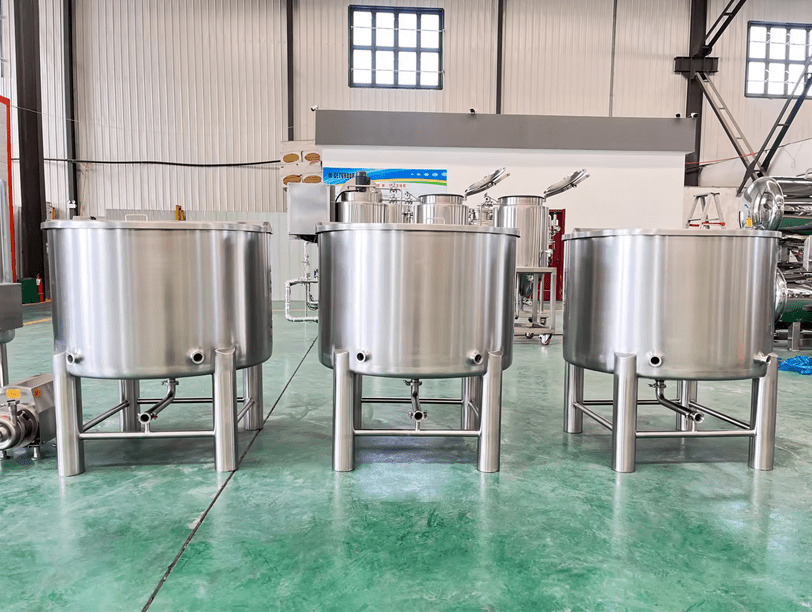
This is where many deals win or fail. A used system is not really bought when payment is made. It is bought when it runs cleanly, safely, and profitably at your site. That means decommissioning, packing, export prep, layout fit, utilities, controls, and training all need attention.
I recommend a staged recommissioning plan:
Asset survey and document collection
Mechanical and sanitary review
Missing-parts list
Controls and utility compatibility check
Layout and piping model
Refurb scope and FAT/SAT logic
Installation guidance and commissioning
Spare-parts and service plan
I also advise buyers to plan for inventory changes. A line that looks complete on day one may not be complete by shipment day if parts are swapped, sold separately, or damaged during removal. That is why I insist on photo-locked packing lists and line-by-line handover notes.
Safety belongs here too. NIOSH notes that carbon dioxide exposure can cause headache, dizziness, breathing difficulty, and worse, while the Brewers Association continues to emphasize CO2 hazard awareness in brewery work. Recommissioning is not only about valves and pumps; it is about safe gas handling, ventilation, and startup procedure.
Used brewery equipment works best when process fit, hygiene, pressure rating, and spare-parts support are all verified.
Buy used heavy stainless steel assets first; be more cautious with automation-heavy packaging.
Evaluate every asset by total landed cost, not just sale price.
If a vessel will run above 15 psi, pressure-code review is essential.
A hybrid approach is often the best path for startup and growth-stage projects.
The best supplier is not just a seller of steel, but a technical partner that can support layout, refurbishment, installation, and long-term service.
A sensible next step is not “buy now.” It is a structured review. If you are comparing listings, planning a plant expansion, or evaluating a used brewhouse equipment group package, the smartest move is to build a technical review sheet first, then request a detailed quote against your actual process, utilities, and growth plan.

Building a brewery is a big dream. But it is also a big project. You want to make great beer. But making great beer is hard. You need the right tools. You need the right plan. If you get it wrong, you can lose a lot of money and time. Your dream can turn into a headache.
This guide will help you. We will talk about brewery solutions. A brewery solution is a full plan. It is all the equipment and help you need. It helps you build a brewery that works well from day one. It helps you make the best beer, every single time.
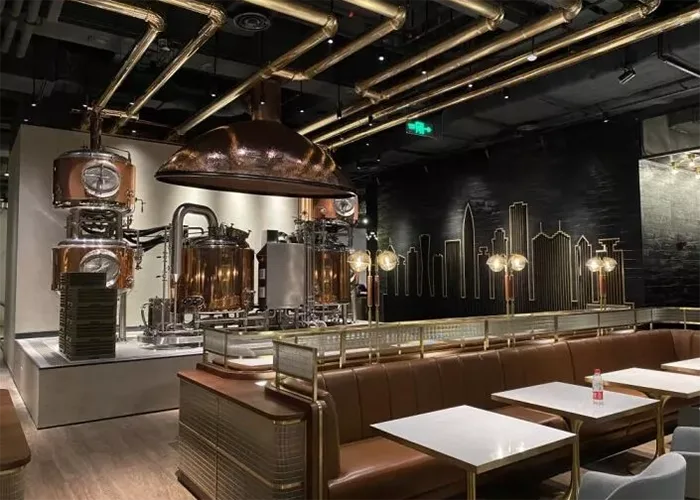
Building a brewery is a big dream. But it is also a big project. You want to make great beer. But making great beer is hard. You need the right tools. You need the right plan. If you get it wrong, you can lose a lot of money and time. Your dream can turn into a headache.
This guide will help you. We will talk about brewery solutions. A brewery solution is a full plan. It is all the equipment and help you need. It helps you build a brewery that works well from day one. It helps you make the best beer, every single time.
Building a brewery is a big dream. But it is also a big project. You want to make great beer. But making great beer is hard. You need the right tools. You need the right plan. If you get it wrong, you can lose a lot of money and time. Your dream can turn into a headache.
This guide will help you. We will talk about brewery solutions. A brewery solution is a full plan. It is all the equipment and help you need. It helps you build a brewery that works well from day one. It helps you make the best beer, every single time.
Building a brewery is a big dream. But it is also a big project. You want to make great beer. But making great beer is hard. You need the right tools. You need the right plan. If you get it wrong, you can lose a lot of money and time. Your dream can turn into a headache.
This guide will help you. We will talk about brewery solutions. A brewery solution is a full plan. It is all the equipment and help you need. It helps you build a brewery that works well from day one. It helps you make the best beer, every single time.
Building a brewery is a big dream. But it is also a big project. You want to make great beer. But making great beer is hard. You need the right tools. You need the right plan. If you get it wrong, you can lose a lot of money and time. Your dream can turn into a headache.
This guide will help you. We will talk about brewery solutions. A brewery solution is a full plan. It is all the equipment and help you need. It helps you build a brewery that works well from day one. It helps you make the best beer, every single time.
Building a brewery is a big dream. But it is also a big project. You want to make great beer. But making great beer is hard. You need the right tools. You need the right plan. If you get it wrong, you can lose a lot of money and time. Your dream can turn into a headache.
This guide will help you. We will talk about brewery solutions. A brewery solution is a full plan. It is all the equipment and help you need. It helps you build a brewery that works well from day one. It helps you make the best beer, every single time.
Building a brewery is a big dream. But it is also a big project. You want to make great beer. But making great beer is hard. You need the right tools. You need the right plan. If you get it wrong, you can lose a lot of money and time. Your dream can turn into a headache.
This guide will help you. We will talk about brewery solutions. A brewery solution is a full plan. It is all the equipment and help you need. It helps you build a brewery that works well from day one. It helps you make the best beer, every single time.

Dolor sit amet, consectetur adipisi cing elit, sed do eius mod tempor incididunt ut labore et dolore magna aliqua.
Dolor sit amet, consectetur adipisi cing elit, sed do eius mod tempor incididunt ut labore et dolore magna aliqua.

Dolor sit amet, consectetur adipisi cing elit, sed do eius mod tempor incididunt ut labore et dolore magna aliqua.

Dolor sit amet, consectetur adipisi cing elit, sed do eius mod tempor incididunt ut labore et dolore magna aliqua.

Dolor sit amet, consectetur adipisi cing elit, sed do eius mod tempor incididunt ut labore et dolore magna aliqua.